
How Often Does A Septic Tank Need Cleaning?
The 3 to 5 year range is a starting point, not a fixed schedule. A 1,000-gallon tank serving a household of two ages differently than the same tank serving a family of six. Fremont properties with garbage disposals, hot tubs, or heavy laundry use tend toward the shorter end of that window. If you are unsure where your property lands, how often to pump a septic tank is the page you are already on, and septic tank warning signs covers the symptoms that mean you cannot wait for the calendar. Slow drains, gurgling pipes, and standing water near the drain field all point the same direction. Commercial kitchens run on a different clock entirely: a grease interceptor gets pumped once fats, oils, grease and solids reach 25 percent of the liquid depth, which can mean monthly service instead of yearly. If that is your situation, see grease trap pumping rather than the residential guidance here. For a straight number on what a visit runs, septic tank pumping cost breaks down the range, and septic pumping service is the page to book from once you know your interval.
What Affects Septic Tank Cleaning Frequency?
Tank size and household size are the two biggest levers, but they are not the only ones. A large tank serving few people can stretch past 5 years between pumpings. A small tank serving a big household will not make it that far. Water usage habits matter too: garbage disposals add solids, and frequent laundry adds volume the tank has to process. Soil conditions around Fremont properties can also affect how well a drain field handles overflow if the tank runs full longer than it should. None of this changes the underlying rule, though: how often to pump a septic tank still comes back to the 3 to 5 year band as the baseline. If your property is a rental or a multi-unit building, treat the shorter end of that range as your default rather than a worst case. For anyone renovating a home with an aging system, a home renovation porta potty keeps things running while the septic side gets sorted separately.

Why Does Regular Pumping Matter?
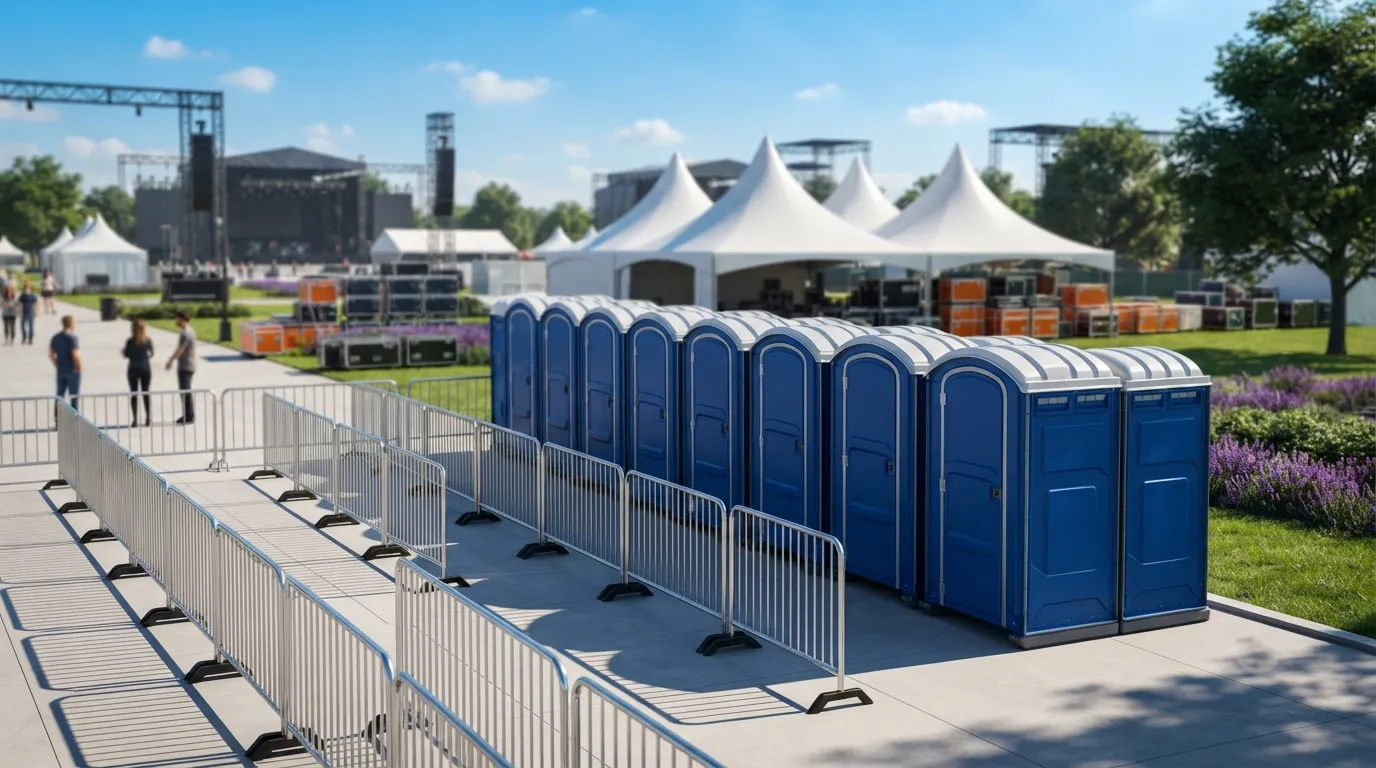
Skipping pumping lets solids build up until they reach the outlet and clog the drain field, and drain field repair costs far more than a routine pumping visit ever will. Regular service protects the system you already paid for. It also matters for anyone hosting on the property: event restroom rental and wedding restroom rental are common workarounds when a homeowner does not want extra load on a tank that is close to due. Fremont's older neighborhoods often have systems installed decades ago, and those tanks were not sized for today's water usage patterns. If your system is already showing strain, emergency septic service exists for exactly that. And if a full replacement or a long gap is coming up, a holding tank rental bridges the wait without putting more pressure on a tank that is already at capacity.
When Should I Schedule A Pumping Appointment?
Schedule before you see warning signs, not after. Waiting for slow drains or odors means you are already past the ideal window, and by then a simple pumping visit may not fix the underlying strain on the drain field. Fall and spring tend to be good planning points for Fremont households, ahead of heavy holiday guest traffic or wet-season soil saturation. If you are building a broader maintenance plan for a property with both septic and other site needs, construction site services and septic tank cleaning both link back to routine scheduling. Homeowners 7.9 miles away in Newark and 11.0 miles away in Union City face the same climate patterns, so the same seasonal logic applies across that stretch of the East Bay. Setting a recurring reminder, even a rough one, beats guessing based on symptoms.
Frequently Asked Questions
How do I know if my tank needs pumping now?
Slow drains, gurgling sounds in pipes, sewage odor near the tank or drain field, and standing water in the yard are the clearest signs. Do not wait for a backup inside the house. Check septic tank warning signs for the full list, and call emergency septic service if water is already pooling.
Does household size really change the pumping schedule?
Yes. A larger household produces more wastewater and more solids, which fills a tank faster regardless of its size. A family of six on a standard tank should plan closer to the 3-year mark rather than the 5-year end of the typical range.
What happens if I skip pumping for too long?
Solids build up until they reach the outlet pipe and move into the drain field, clogging it. Drain field repair or replacement costs significantly more than routine pumping, and in some cases the field cannot be fully restored.
Is a grease trap on the same schedule as a septic tank?
No. A grease interceptor is pumped once fats, oils, grease and solids reach 25 percent of the liquid depth, which often means far more frequent service than a residential tank. See grease trap pumping for that separate schedule.
Can I get service scheduled quickly in Fremont?
Yes. Septic pumping service covers scheduled and short-notice visits, and pricing sits in the same range shown on septic tank pumping cost. Mention any warning signs when you call so the crew can plan for it.
Next step
Get a delivery date
Tell us the address, the dates and the headcount. We size the order and confirm the route.