
What Cannot Go In a Dumpster?
Start with the hazardous stuff: paint cans, solvents, pesticides, motor oil and anything with a flammable label. These count as hazardous waste under most local rules, and they contaminate the whole container if they leak into other debris. Tires and batteries are next; landfills reject them outright, so haulers pull them before the load ever reaches the transfer station. Propane tanks and other pressurized cylinders are a fire risk in a compacted load, so those stay out too. Electronics like TVs, monitors and computers fall under e-waste rules in California and need a separate recycling stream. Asbestos siding, insulation or tile has its own handling requirements and cannot ride along with regular construction debris. If you're clearing a Fremont property built before the 1980s, check materials before demo starts. For a full rundown of banned items and how they apply on a job site, see what cannot go in a dumpster or ask when you book a construction dumpster rental.
Why Do These Items Get Rejected?
Landfills and haulers reject them because of contamination risk, fire risk and state disposal law, not because of an arbitrary house rule. A single leaking paint can turns a whole 20-yard box into hazardous waste by contact, which means the entire load gets redirected instead of just that one item. Tires trap gas and can damage compactor equipment at the landfill. Freon-containing appliances, like refrigerators and window AC units, need refrigerant recovery before disposal, which is a separate process from crushing ordinary debris. That's also why weight matters: overloading a container with wet drywall, shingles or concrete can push a bin past its limit fast, so it helps to check dumpster weight limits before you fill one during a remodel or home renovation porta potty project. Mixing banned items into a load is the single most common reason a scheduled pickup gets delayed in Fremont.
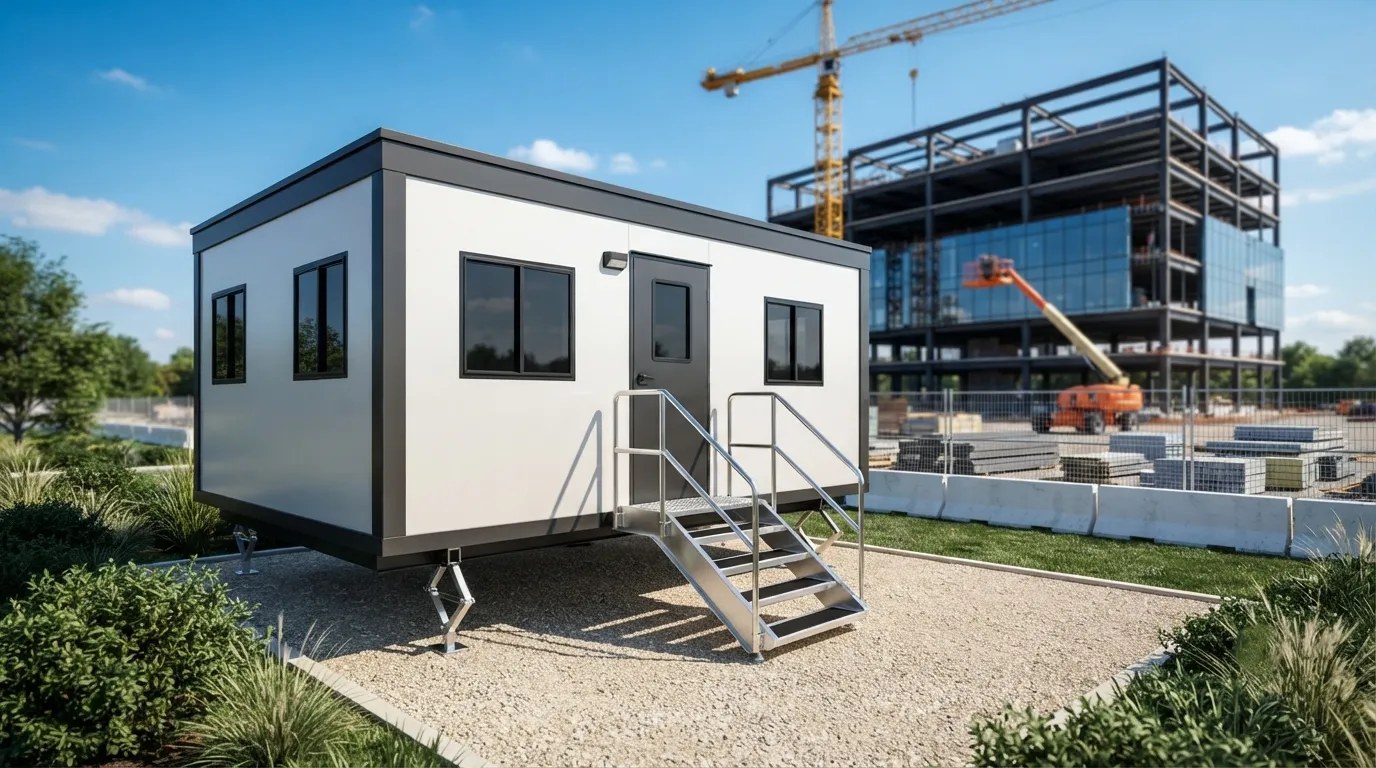
What Can I Do With Banned Items Instead?
Most banned items have a separate, legal disposal path. Household hazardous waste, paint and pesticides typically go through a designated drop-off program rather than curbside pickup. Tire shops and auto parts stores often take old tires and batteries directly. Electronics recyclers handle TVs and computers under state e-waste law. For grease and cooking oil from a commercial kitchen, a grease trap pumping service is the right call, not a dumpster; grease interceptors get serviced once fats, oils, grease and solids reach 25 percent of the liquid depth. Septic and holding tank waste never belongs in a roll-off either. If you're clearing a property with an aging tank, look at septic pumping service or read up on septic tank warning signs before demo work starts, since a full tank during construction can back up fast.
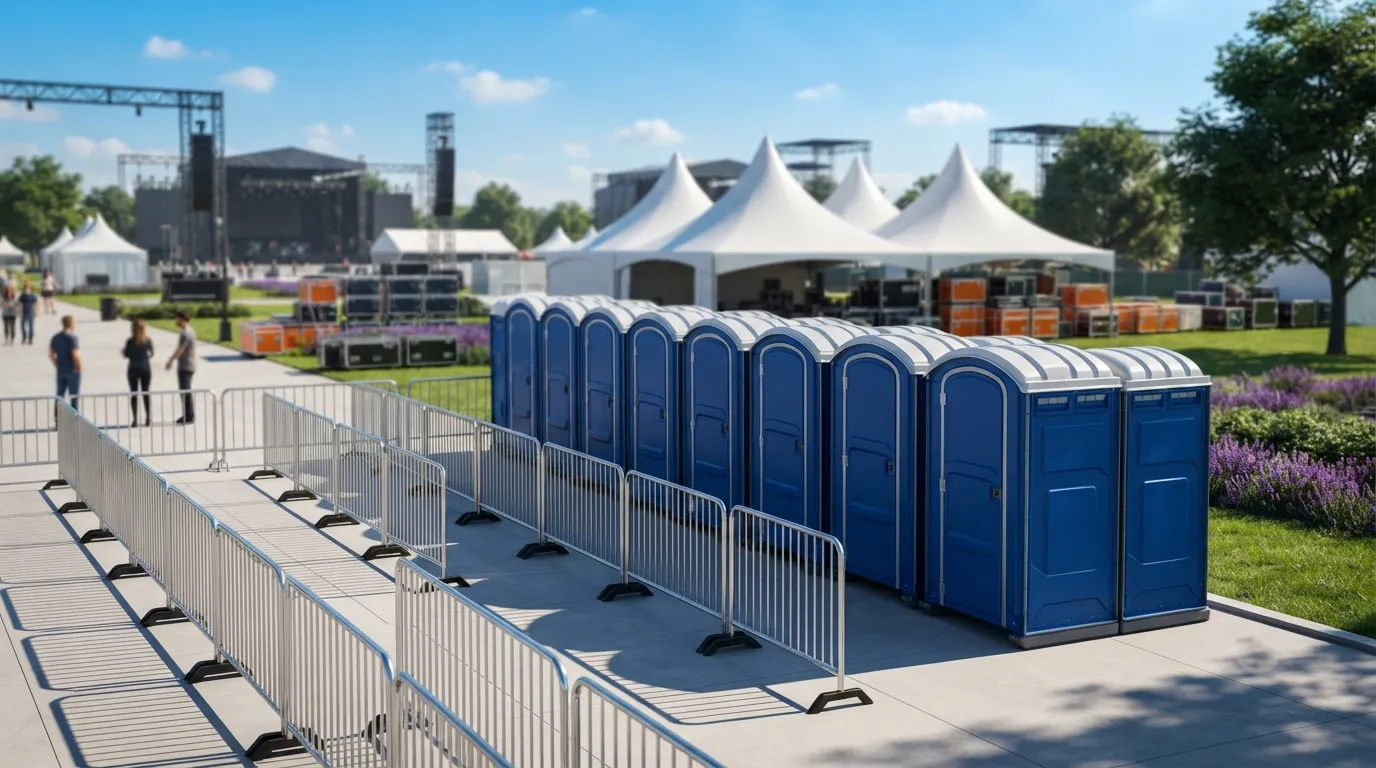
Do Dumpster Rules Change By Container Size?
The banned-item list stays the same across sizes, but the risk of an expensive rejected load goes up with bigger containers because more debris means more chances for a stray battery or can of solvent to slip in. A 10 yard dumpster rental suits a garage cleanout. A 20 yard dumpster rental handles a kitchen remodel. A 30 yard dumpster rental or 40 yard dumpster rental fits full demolition or new construction, where OSHA 1926.25 requires scrap and debris to be cleared from work areas regularly, and OSHA 1926.252 governs how waste chutes and enclosures move that debris off a job site. Check dumpster sizes and dimensions before you order, and confirm placement against dumpster permit requirements if the container sits in a Fremont street or right of way.
| duration | low | typical | high |
|---|---|---|---|
| day | $51 | $75 | $112 |
| week | $426 | $600 | $778 |
| month | $91 | $108 | $500 |
Full pricing detail, including delivery fees, is on dumpster rental cost.
What happens if I put a banned item in my dumpster by accident?
The hauler usually pulls it during loading or at the transfer station, and you may be charged a sorting or disposal fee. Call Fremont Porta Pros right away if you're unsure; catching it before pickup is cheaper than after.
Can I put wet paint in a dumpster?
No. Wet paint counts as hazardous waste and needs a household hazardous waste drop-off. Dried, hardened paint cans with no liquid left are sometimes accepted; ask before assuming.
Are mattresses allowed in a roll-off dumpster?
Often yes, but some haulers charge an added fee per mattress because of separate landfill handling. Confirm when you book so it's not a surprise at pickup for your Fremont project.
What about concrete, dirt and shingles?
These are usually allowed but count as heavy debris that eats into weight limits fast. A 20-yard box full of concrete can exceed typical weight allowances well before it looks full, so check limits first.
Do I need a permit if the dumpster sits on the street?
Placement in the public right of way in Fremont needs confirming with the city; rules vary by street and container size. Ask Fremont Porta Pros when you schedule delivery, which needs about 60 feet of straight clearance behind the truck.
Next step
Get a delivery date
Tell us the address, the dates and the headcount. We size the order and confirm the route.